














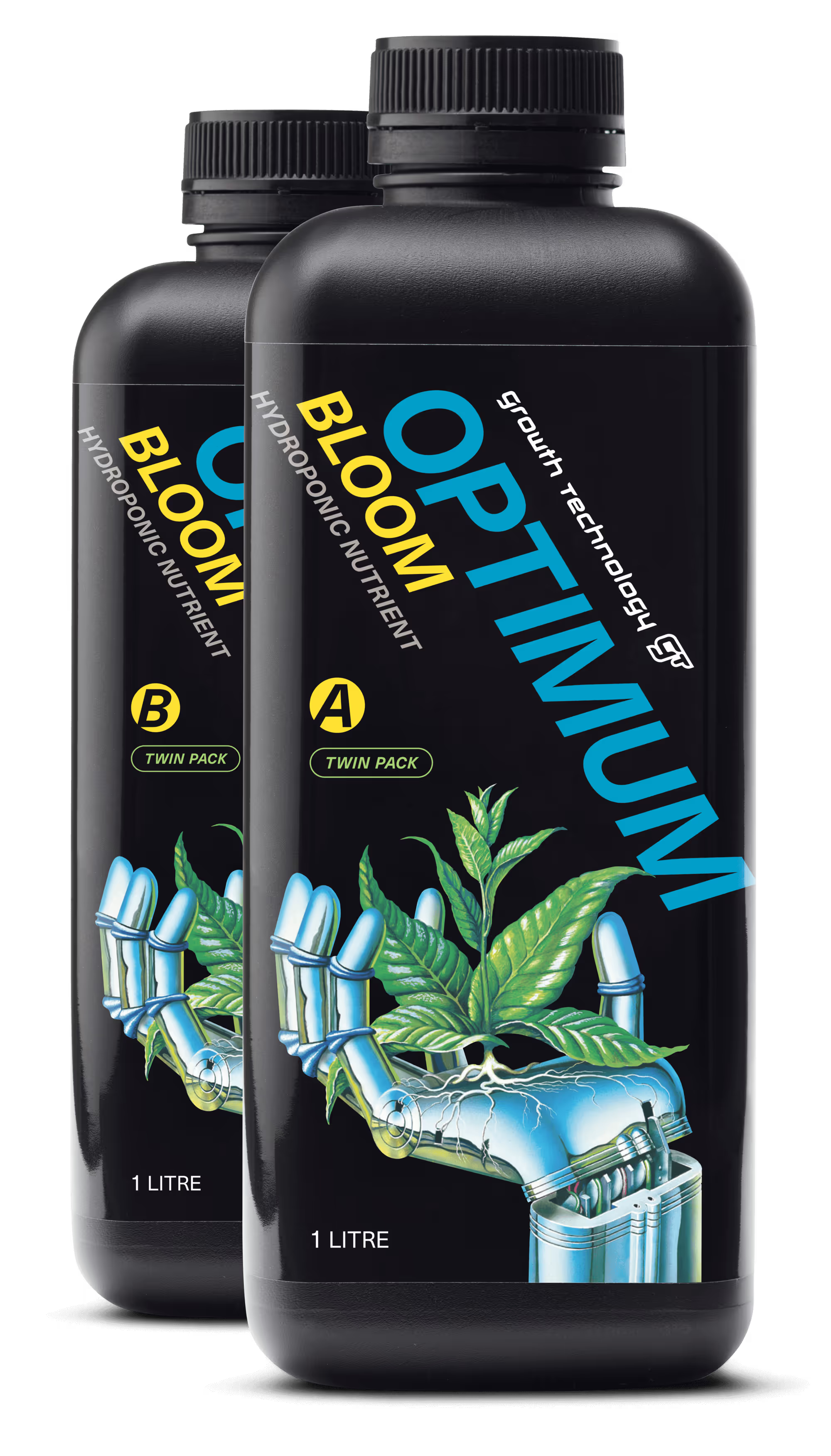
Optimum Bloom
Optimum Bloom is dedicated to the flowering and fruiting stage of plant growth.
Hydroponic Nutrient.




Read the stories of different growers in our community.
Nora Mutalima shares her journey from soil to semi-hydroponics, how Growth Technology products fuel her thriving indoor jungle, and why leca changed everything.


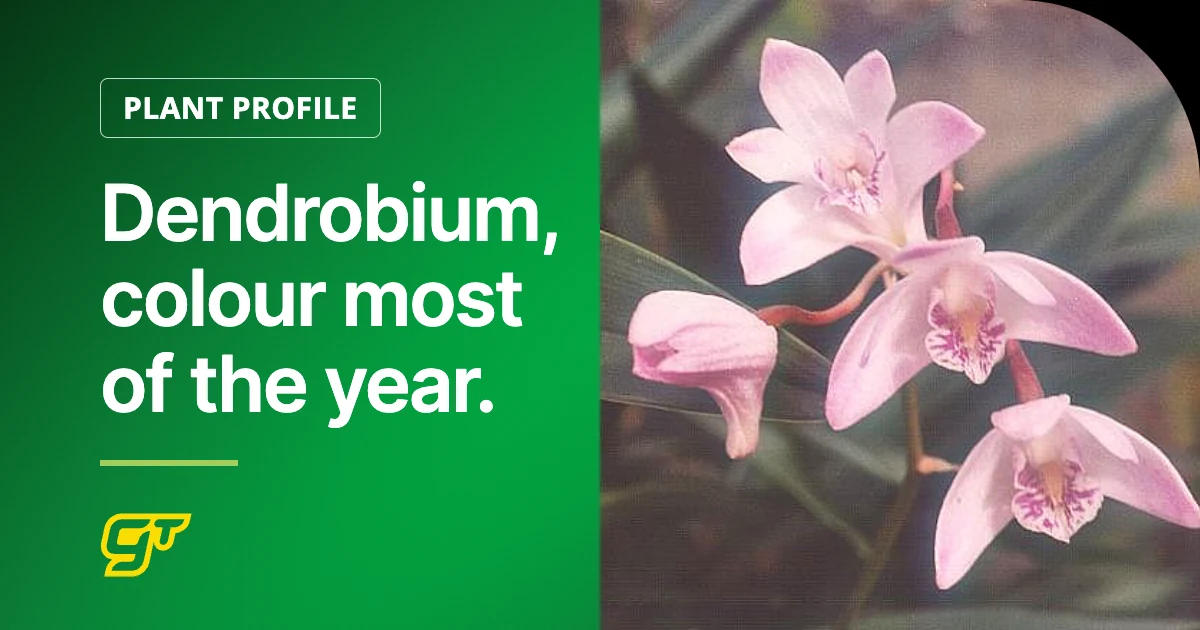
From childhood obsession to award-winning exhibitor, Tara Peeters shares how 25 years of orchid growing and a move from Victoria to Perth led her to discover GT products and transform her collection.

Stay in the loop with Growth Technology and signup to our email list. Plant specific nutrition through a triple foundation of literature review, ongoing experimentation and patient observation of plants in all growth stages.
Signup for the latest news, articles and announcements from GT.
Growing tips, environment information and nutrient recommendations for popular plants.
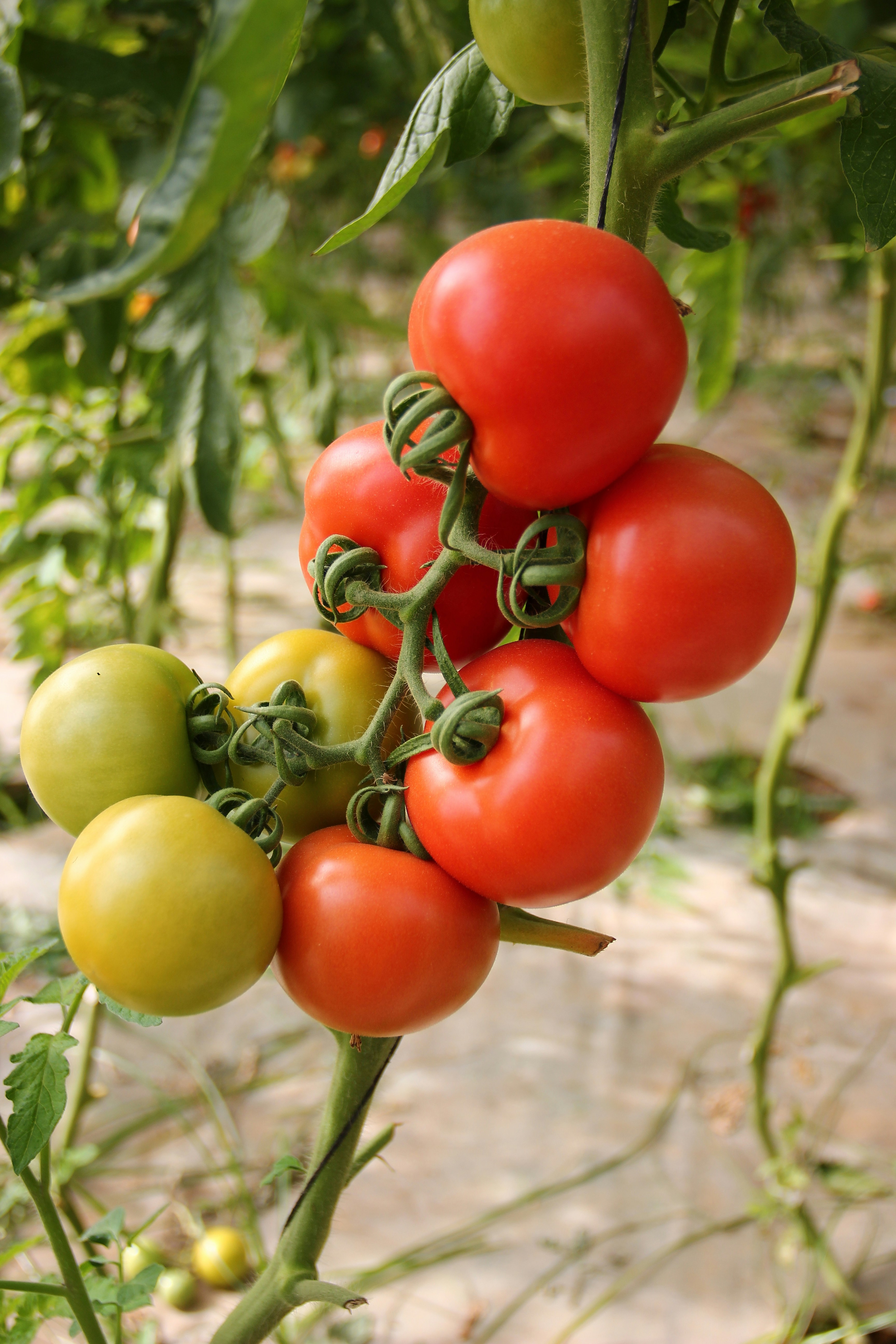
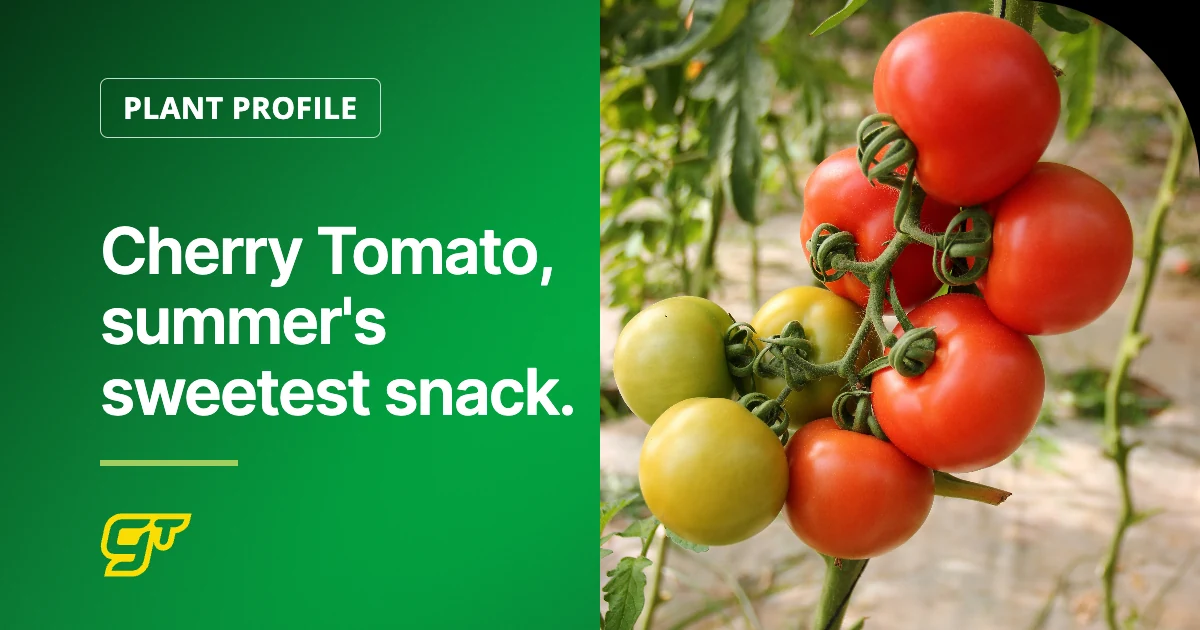
Solanum lycopersicum var. cerasiforme
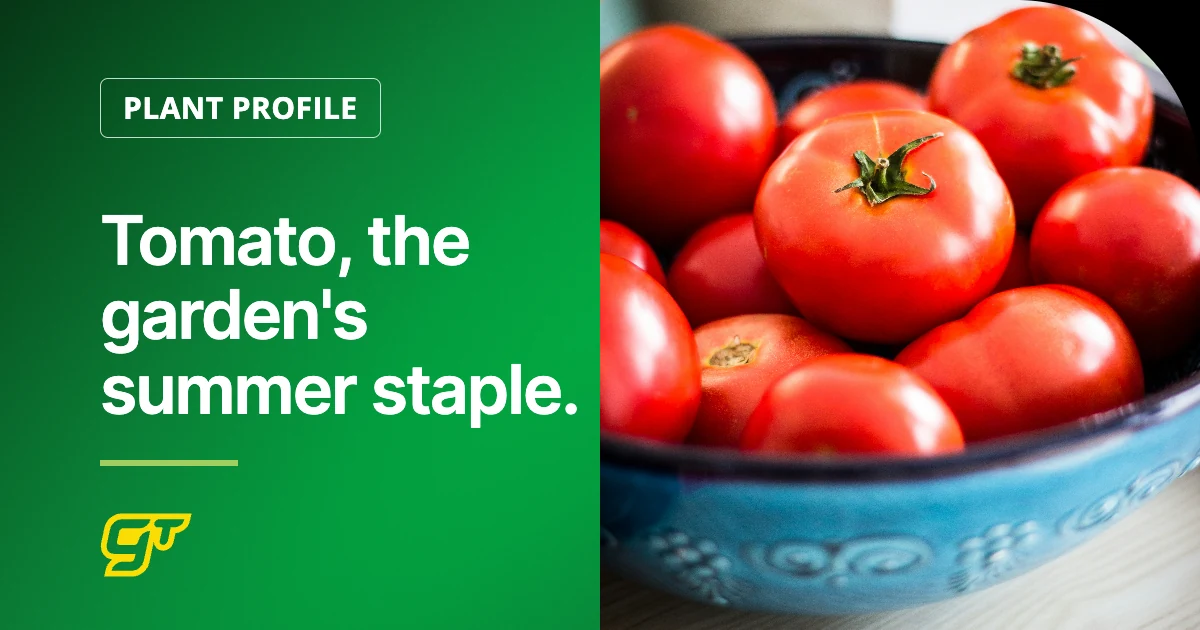
Compact tomato that loads up with small sweet fruit all summer. Stake or cage the vines and pick often for the best flavour.

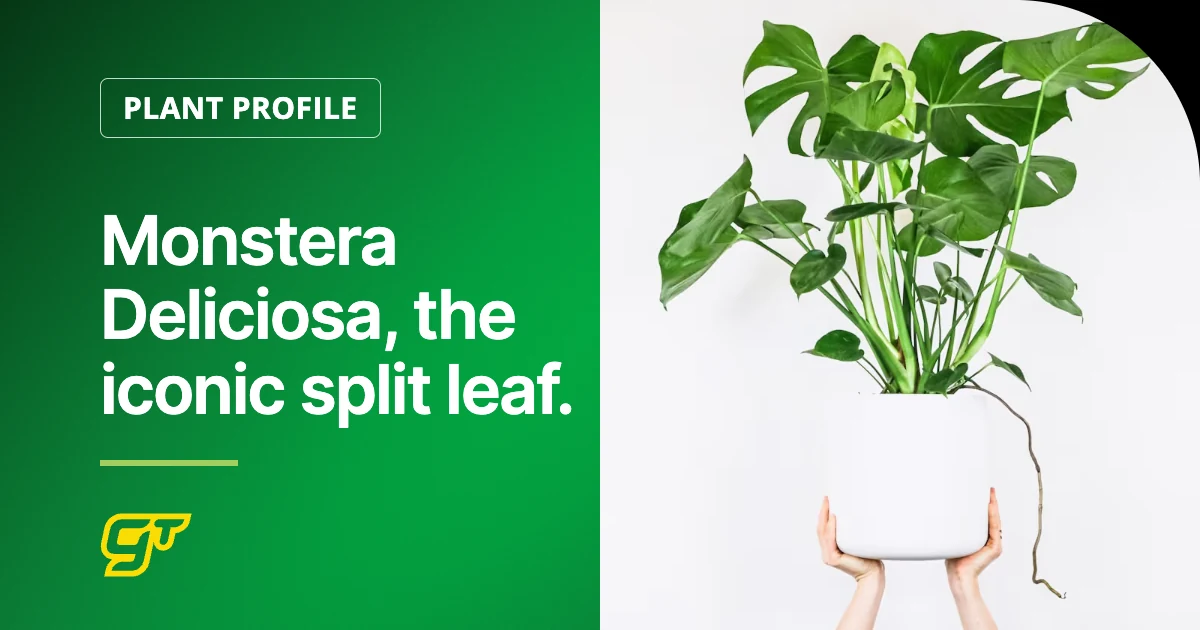
Monstera deliciosa
Tropical climber with big split leaves that suit modern interiors. Give it a moss pole, bright indirect light and warm humid air.

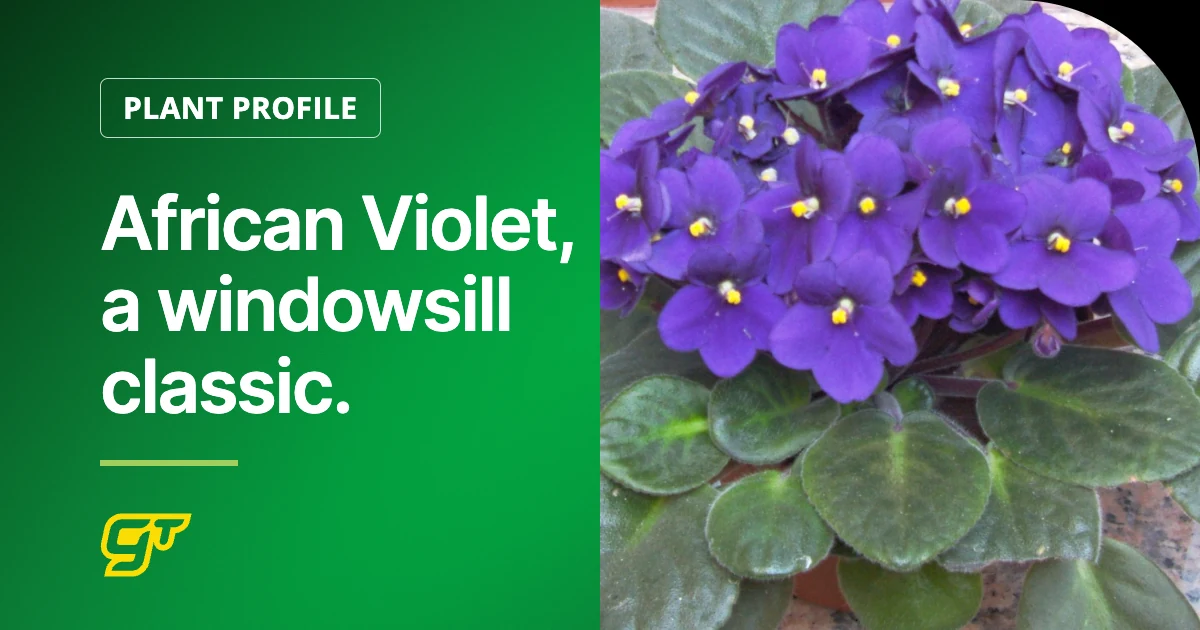
Saintpaulia
Compact windowsill plant with velvety leaves and flowers that keep coming. Bottom water and steady warmth keep it in bloom all year.
Monstera deliciosa
Tropical climber with big split leaves that suit modern interiors. Give it a moss pole, bright indirect light and warm humid air.

Solanum lycopersicum var. cerasiforme
Compact tomato that loads up with small sweet fruit all summer. Stake or cage the vines and pick often for the best flavour.

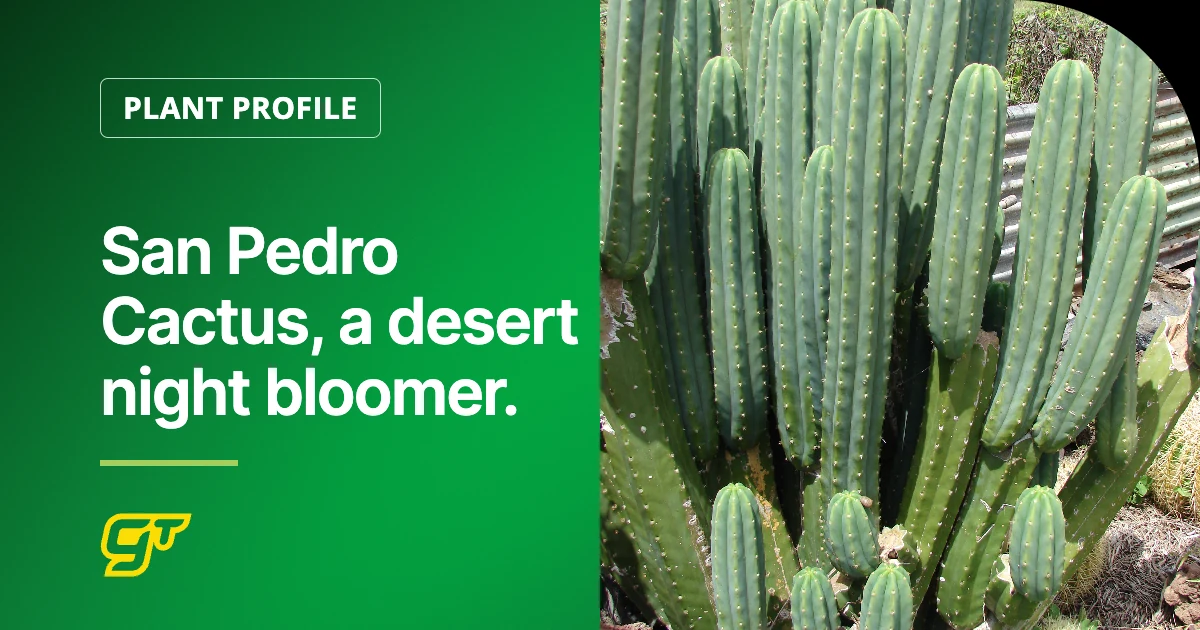
Echinopsis pachanoi
Fast-growing columnar cactus with blue-green ribs and large white night flowers. Grown as an ornamental only; the flesh contains mescaline.

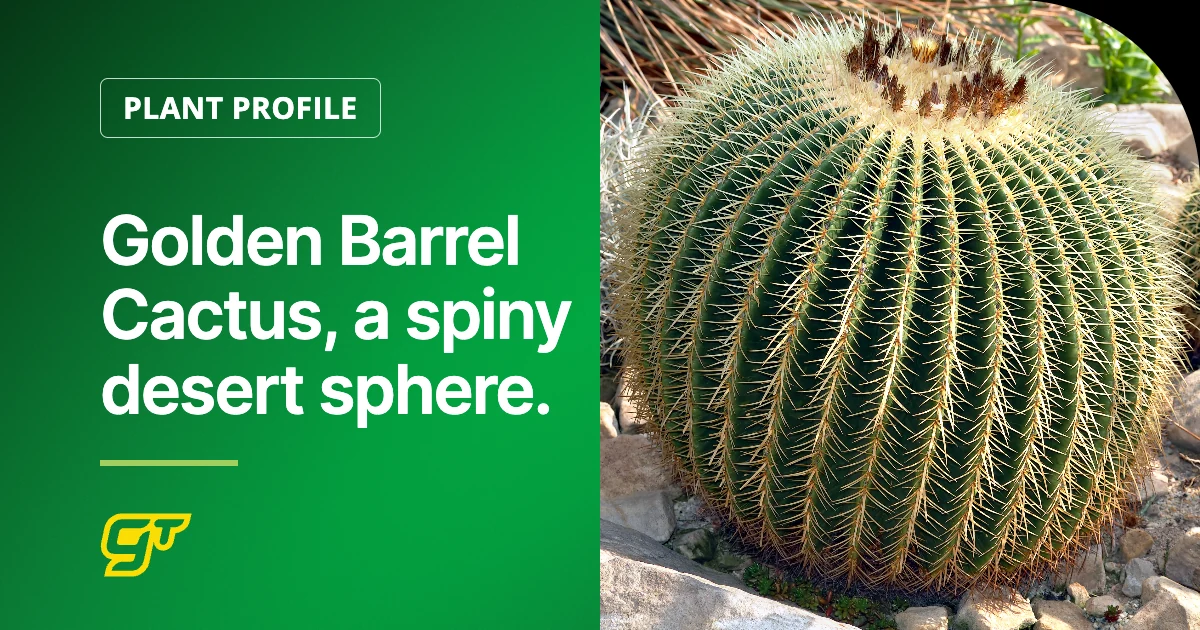
Echinocactus grusonii
Spherical cactus with golden spines and deep ribs. Slow-growing and long-lived, it suits pots in a sunny spot or a dry garden bed.
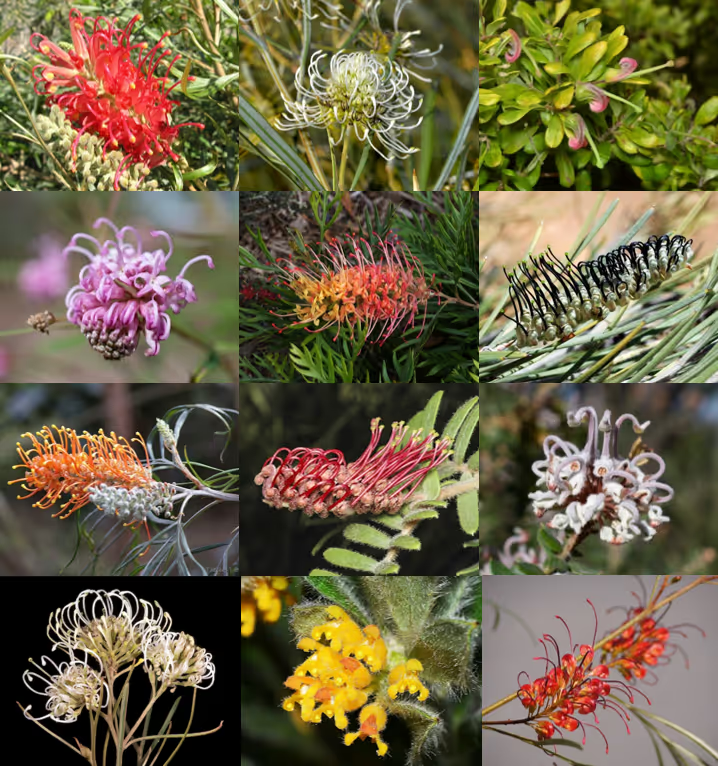
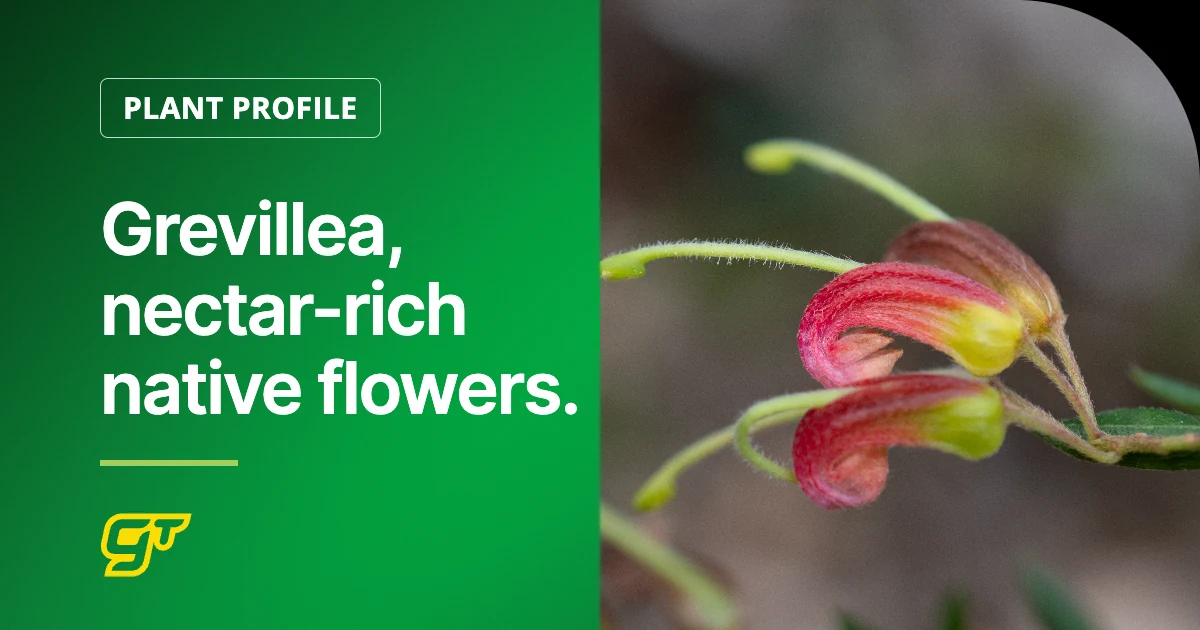
Grevillea
Australian native shrub with nectar-rich spider flowers that feed birds. Many cultivars, from groundcovers to small trees, for most climates.
Saintpaulia
Compact windowsill plant with velvety leaves and flowers that keep coming. Bottom water and steady warmth keep it in bloom all year.
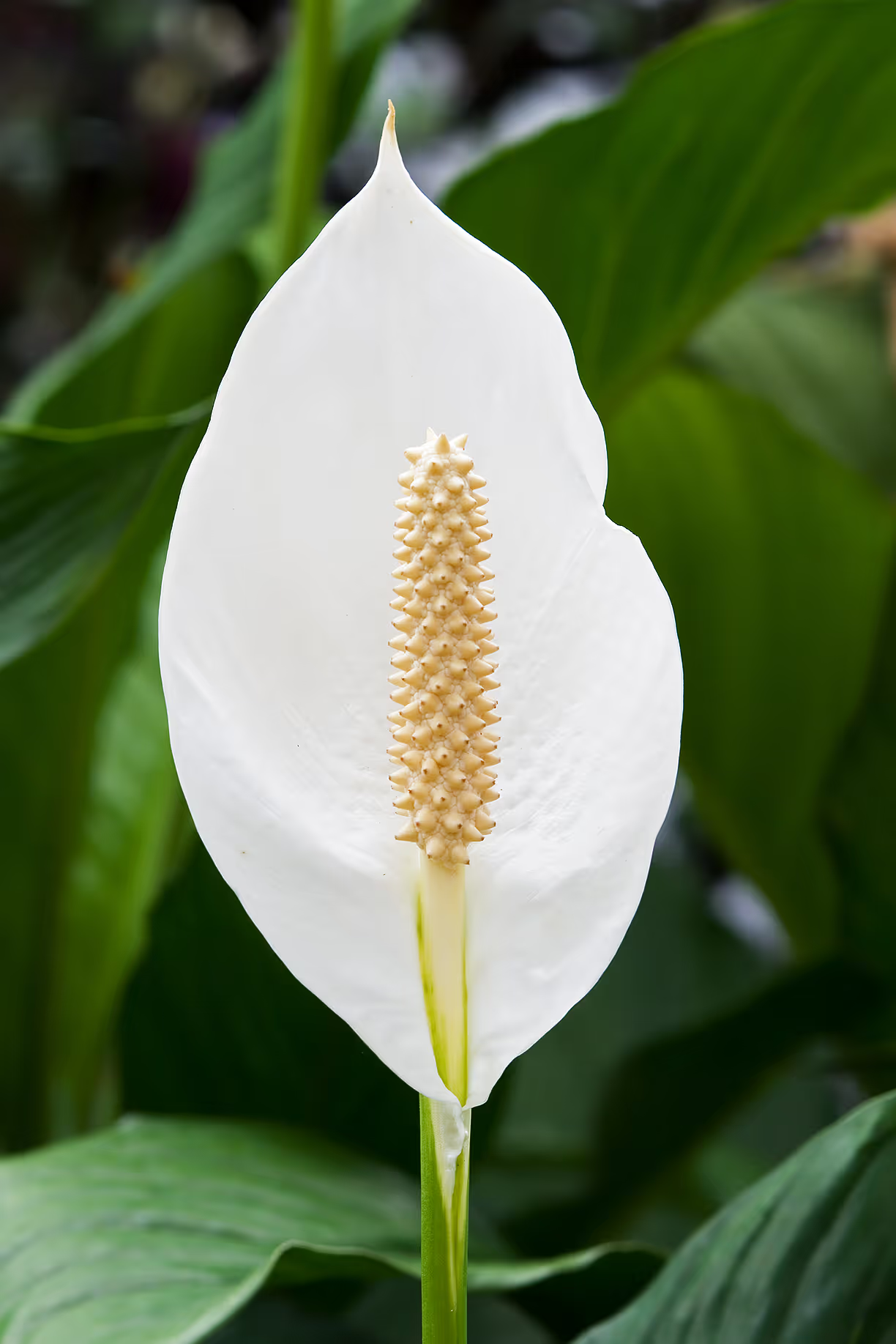
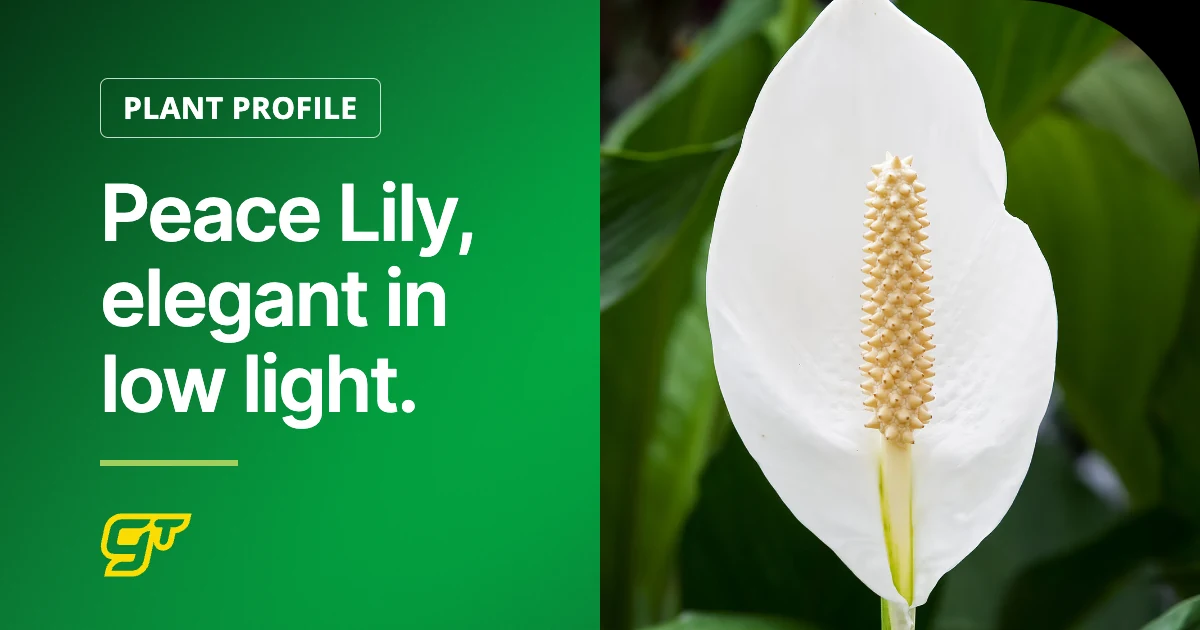
Spathiphyllum
Elegant indoor plant with glossy dark leaves and white sail-like flowers. Tolerates low light and droops to tell you it needs water.
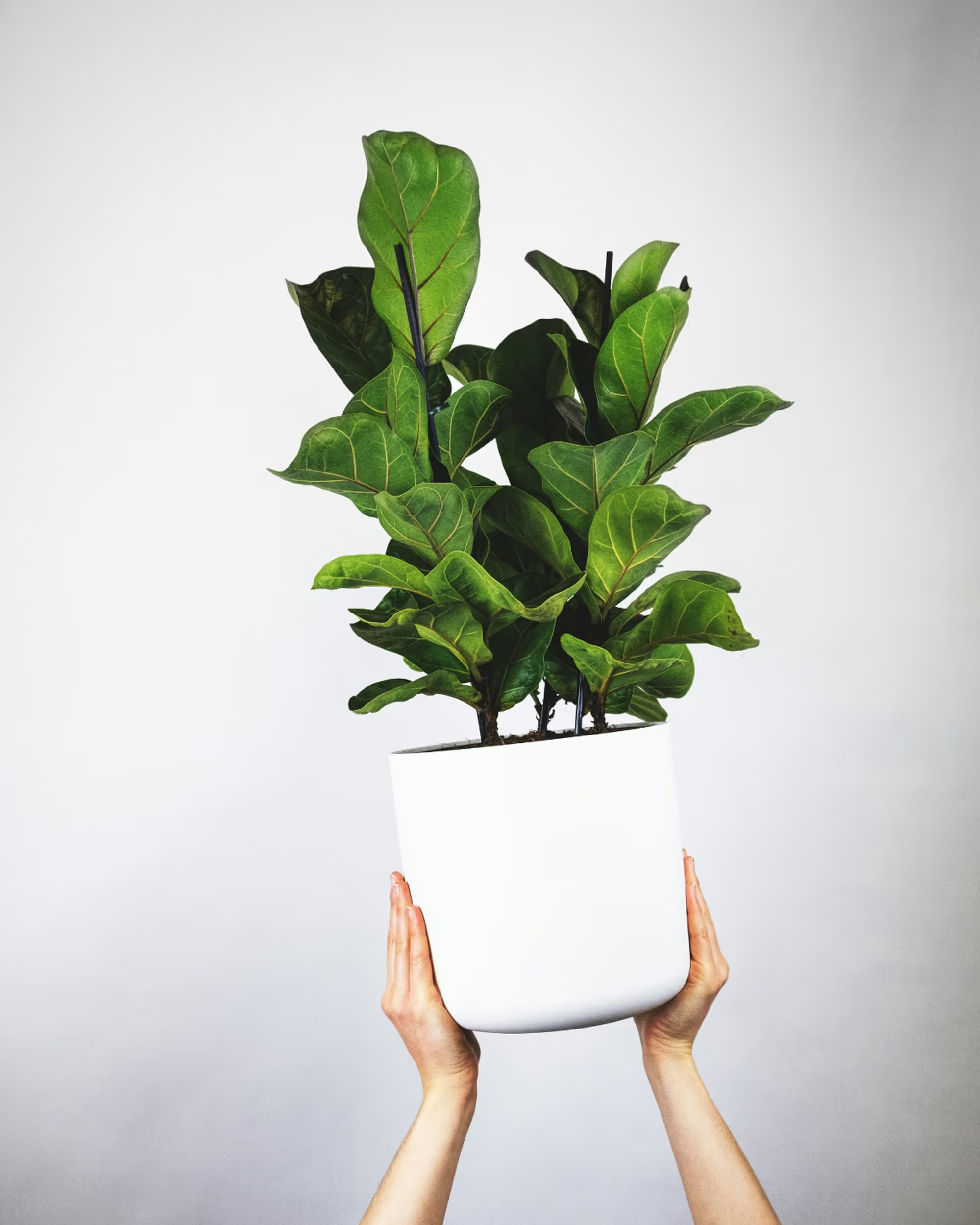
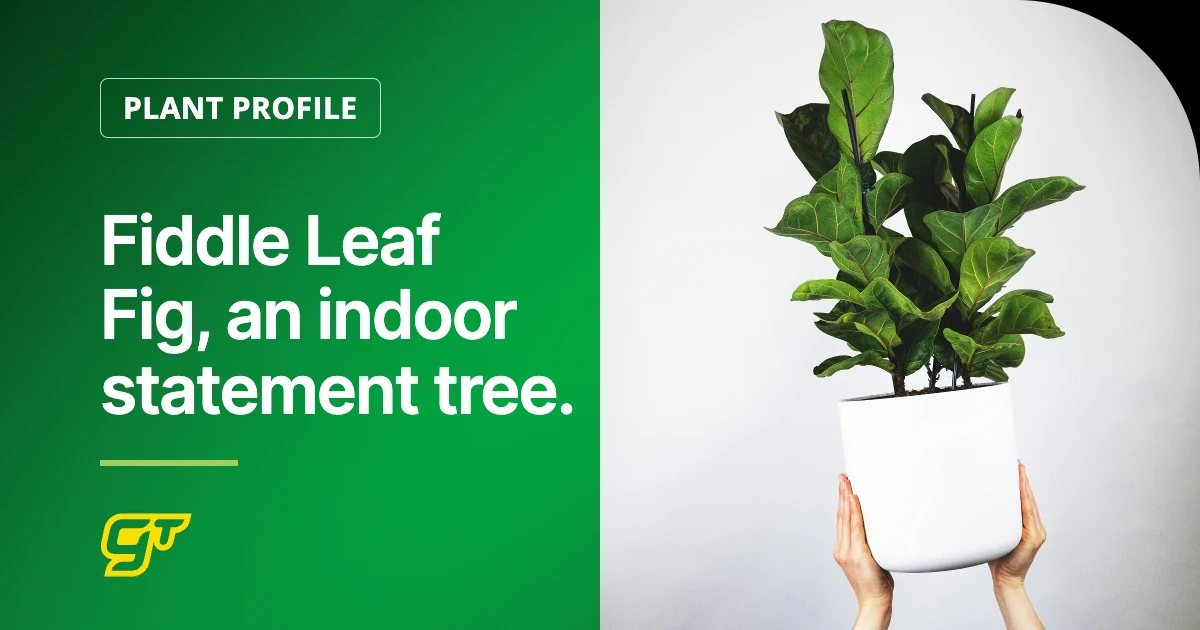
Ficus lyrata
Indoor tree with large violin-shaped leaves that make a statement. Stable warmth, bright light and a fixed spot keep it happy.
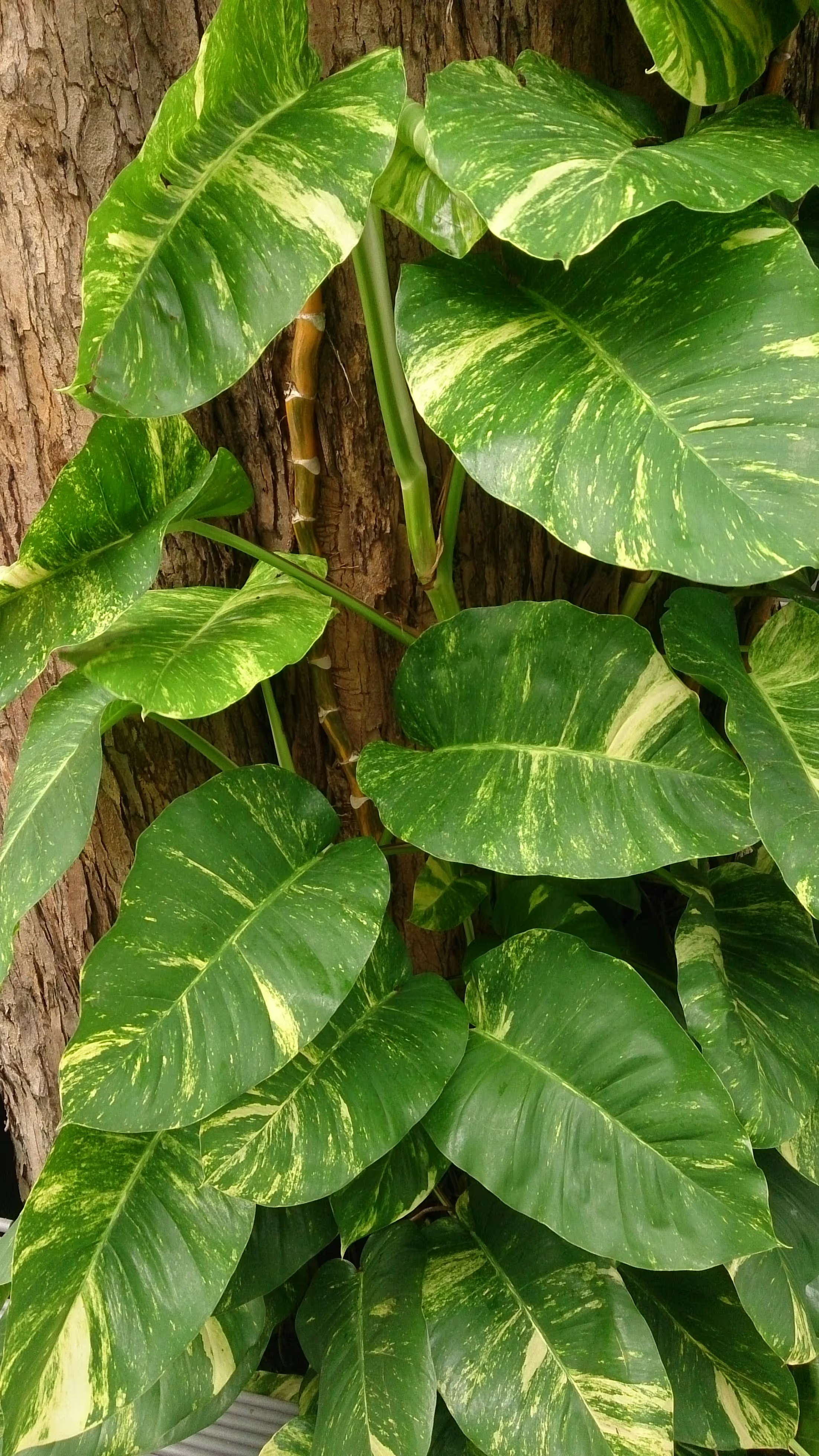
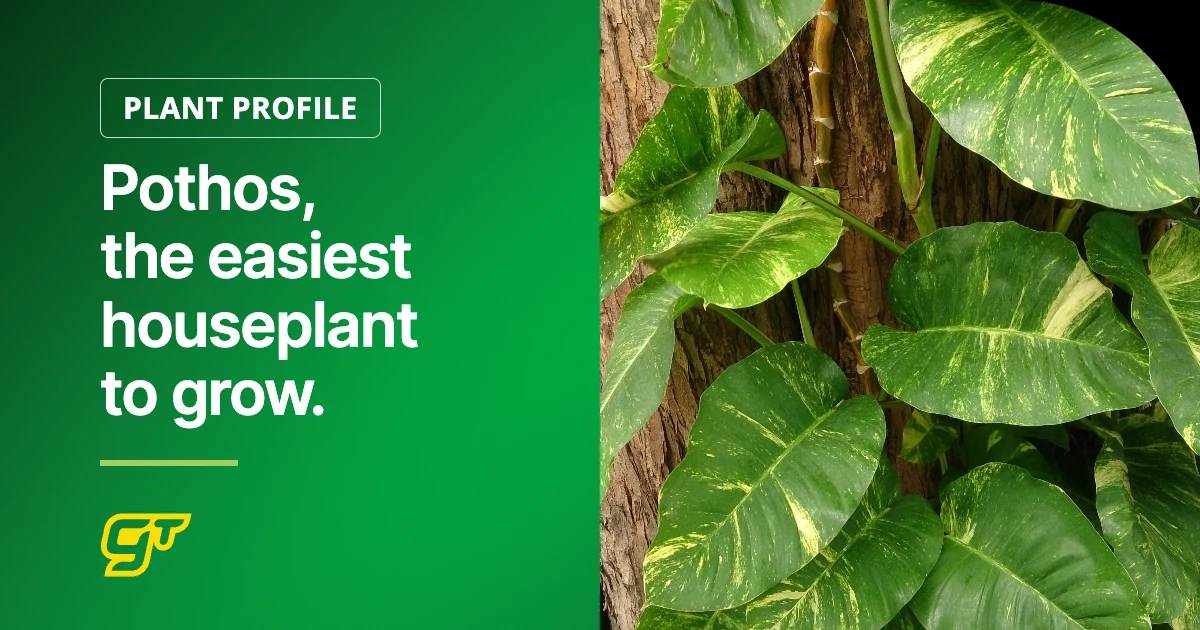
Epipremnum aureum
Trailing vine with glossy heart-shaped leaves that climbs a pole or spills from a shelf. The most forgiving houseplant for a beginner.

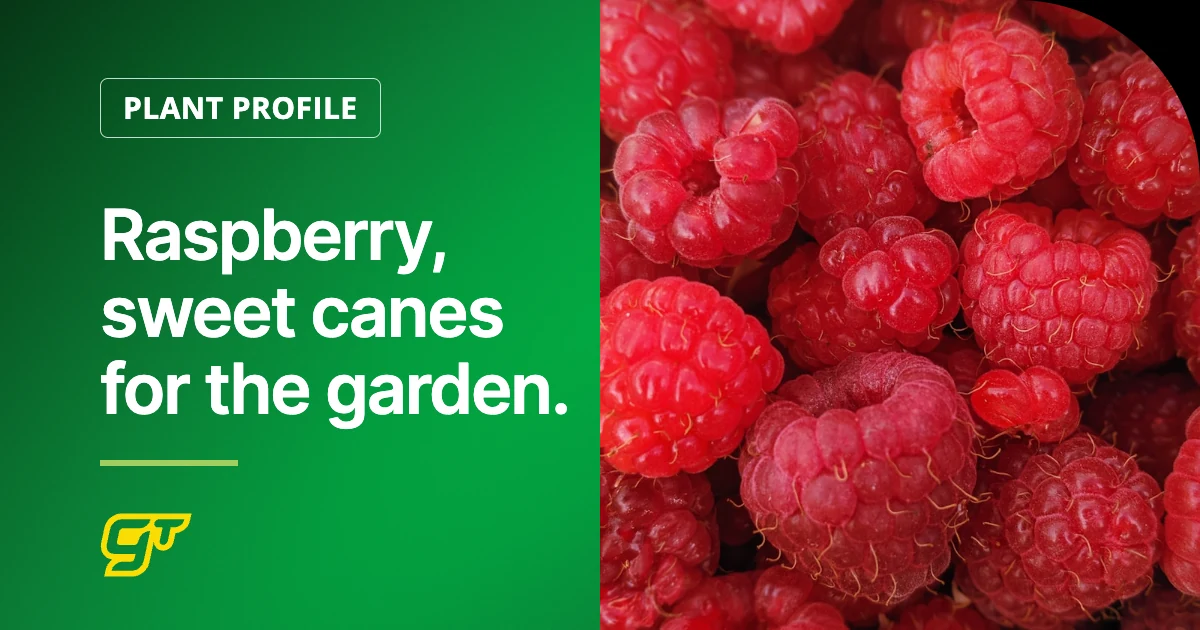
Rubus idaeus
Arching cane fruit with sweet berries for fresh eating and preserves. Summer-bearing and everbearing types suit cool and temperate gardens.

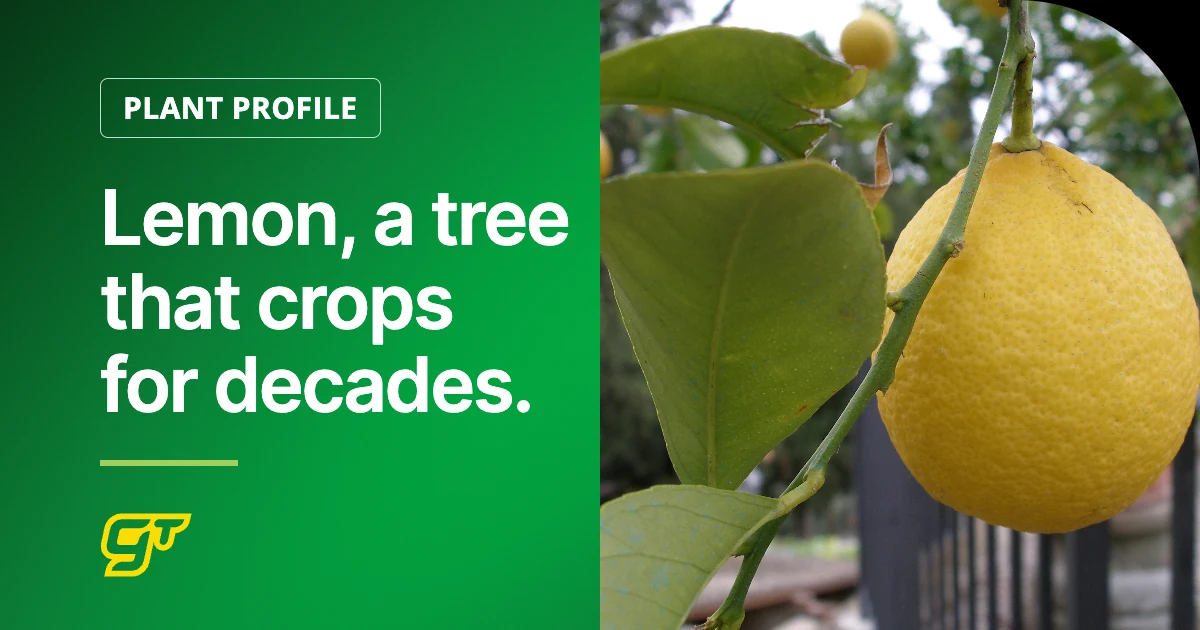
Citrus limon
Evergreen citrus with fragrant spring blossom and tart yellow fruit. Glossy foliage year-round; grows well in a large pot in a sunny spot.

Fragaria × ananassa
Low, spreading fruit with white spring flowers and sweet red berries. Grows well in pots, beds and hanging baskets in most climates.


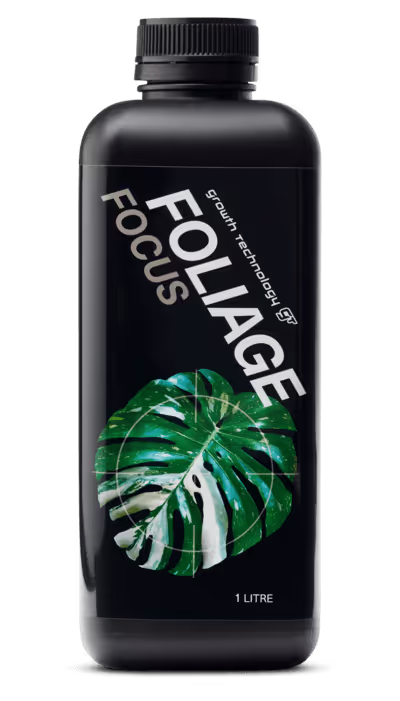

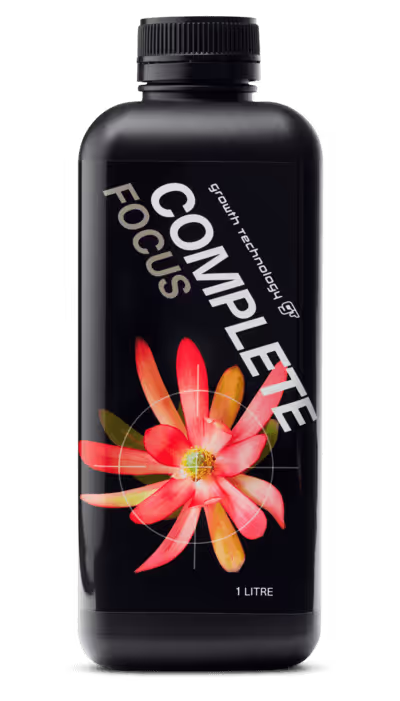
Explore our library of most commonly asked questions. FAQs are categorised across plant types, growing method, growth median and general categories of resources.
Clonex Gel is guaranteed to be effective for up to two years if the recommended guidelines are followed.
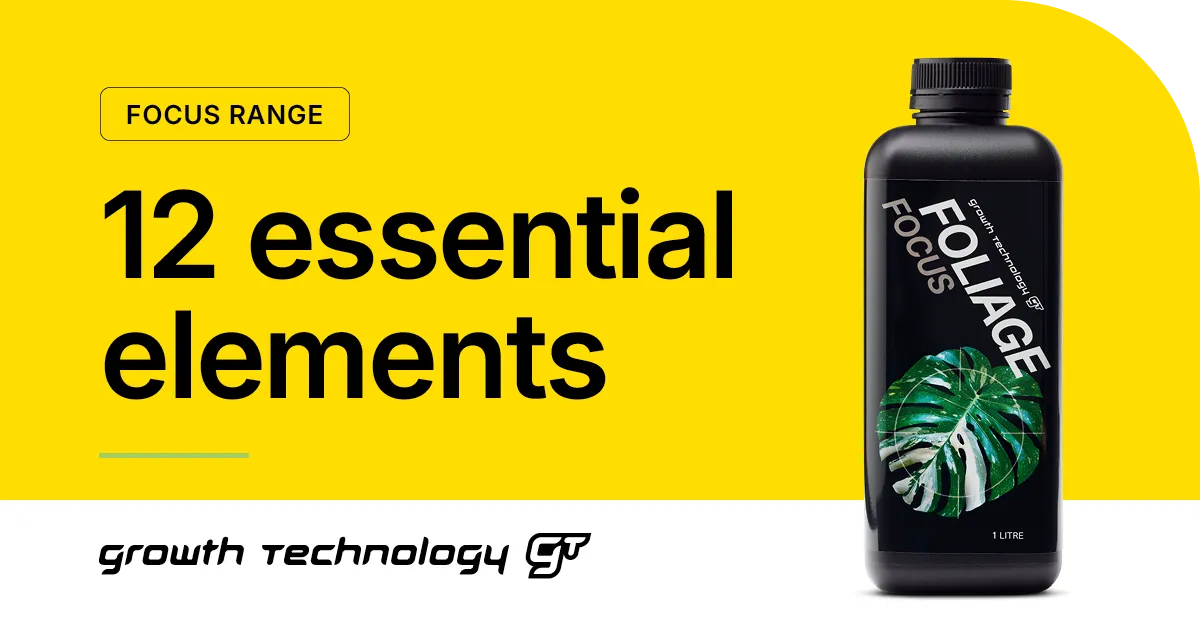
Nitrogen, phosphorus, potassium, calcium, magnesium and sulphur are required in larger quantities; iron, manganese, zinc, copper, boron and molybdenum in trace amounts. All twelve are necessary — a shortfall in any one restricts growth regardless of the supply of the others.
Yellowing indoors usually traces to one of three causes: excess water sitting in the root zone, insufficient light, or a nutrient shortfall in depleted potting mix. Checking drainage and light first resolves most cases.
Only temporarily. Fresh potting mix carries a fresh supply of minerals, but that supply depletes again as the plant grows. Repotting is a structural solution — more room for roots — rather than a nutritional one.
Yes.
Yes.
Add GT pH Lift gradually using a dropper, mix well, and re-test before adding more.
When pH drops too low, plants can struggle to efficiently absorb essential nutrients, which may lead to nutrient imbalances, reduced growth, root stress, and poor overall plant performance.
GT pH Lift is a potassium carbonate based solution.
For most growing systems, a pH between 5.5 and 6.5 is recommended.
Yes.
Add GT pH Drop gradually using a dropper, mix well, and re-test before adding more.
If your pH is too high, plants may struggle to access key nutrients including iron, calcium, magnesium, and phosphorus.
Optimum Bloom is dedicated to the flowering and fruiting stage of plant growth.
Hydroponic Nutrient.
Stay in the loop with Growth Technology and signup to our email list. Plant specific nutrition through a triple foundation of literature review, ongoing experimentation and patient observation of plants in all growth stages.
Signup for the latest news, articles and announcements from GT.